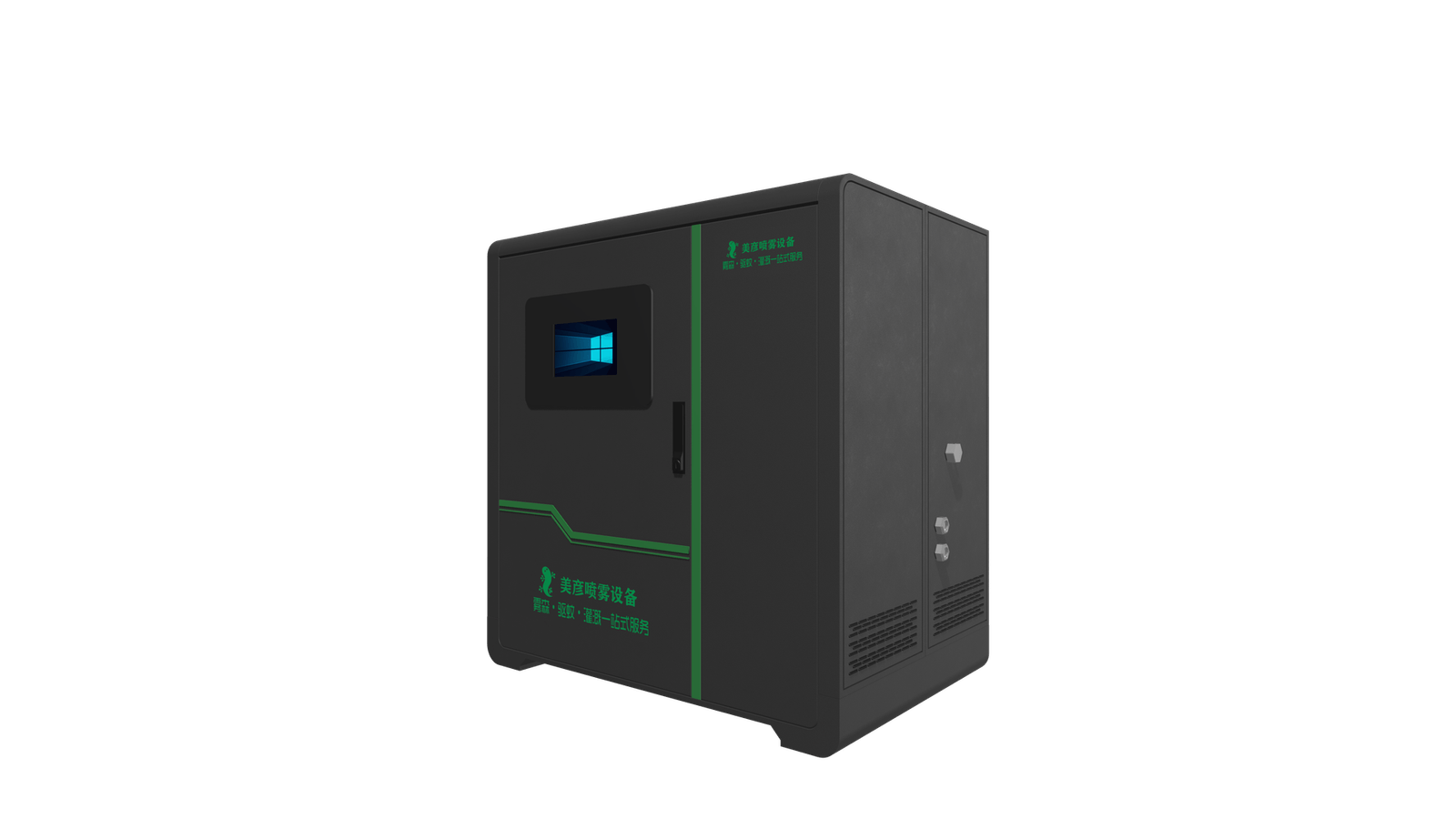
Industrial Misting
High-Pressure Dust Suppression System
Dust control for construction sites, quarries and material yards
View detailsA water cart is the right tool for haul roads and open ground where dust is generated by traffic. It is mobile, familiar to operators and needs no installation. What it does not do well is treat a fixed source: it passes, the surface dries, and the dust returns. It also puts down large volumes of water, which costs diesel per trip and creates ruts.
A cannon throws fine mist a long distance, so it treats a large area — stockpiles, demolition faces, loading zones — from one position. Used with a wind or dust trigger it runs only when needed. The limits: it needs a stable platform and power, and like the cart, it treats dust that has already become airborne rather than preventing it.
At a crusher discharge, a transfer point or a screen deck, dust is generated in one place, continuously. A ring manifold or a bank of lances there — running at 60–100 bar with 10–50 μm droplets — controls dust before it spreads, for a fraction of the water and no diesel at all. Most effective installations combine the three: lances at fixed sources, a cannon for the yard, and a cart for the roads.
| Fog cannon droplet size | 10–50 μm |
|---|---|
| Cannon working pressure | 60–100 bar |
| Cannon unit power | 2.2–7.5 kW |
| Fixed nozzle coverage | 500–8,000 m² per system |
| Published performance | PM10 reduction ≥ 70% |
Figures are our published specification ranges (or general market conditions where stated). Final configuration is confirmed per project in the written quotation.
Send the area, the application and your destination port — itemised written quotation within one working day, no price list required.
Request a quotation Size my systemPublished consumption for a fixed dust suppression system is 4–15 L/min depending on the layout and duty, and it runs only while dust is being generated. A cart sprays a much larger volume per pass and must repeat the pass. The exact saving depends on your site, and we calculate consumption on the quotation so you can compare.
Yes — remote start, wind or dust-sensor triggers and PLC interlock are all available, and automation is usually what makes a cannon economic because it stops spraying empty air.
Rarely on its own. Most quarries end up combining fixed lances at the crushers, a cannon for the stockyard, and wetting of haul roads. We will tell you where misting alone is sufficient and where it is not.
Full specifications on each product page.
Dust control for construction sites, quarries and material yards
View details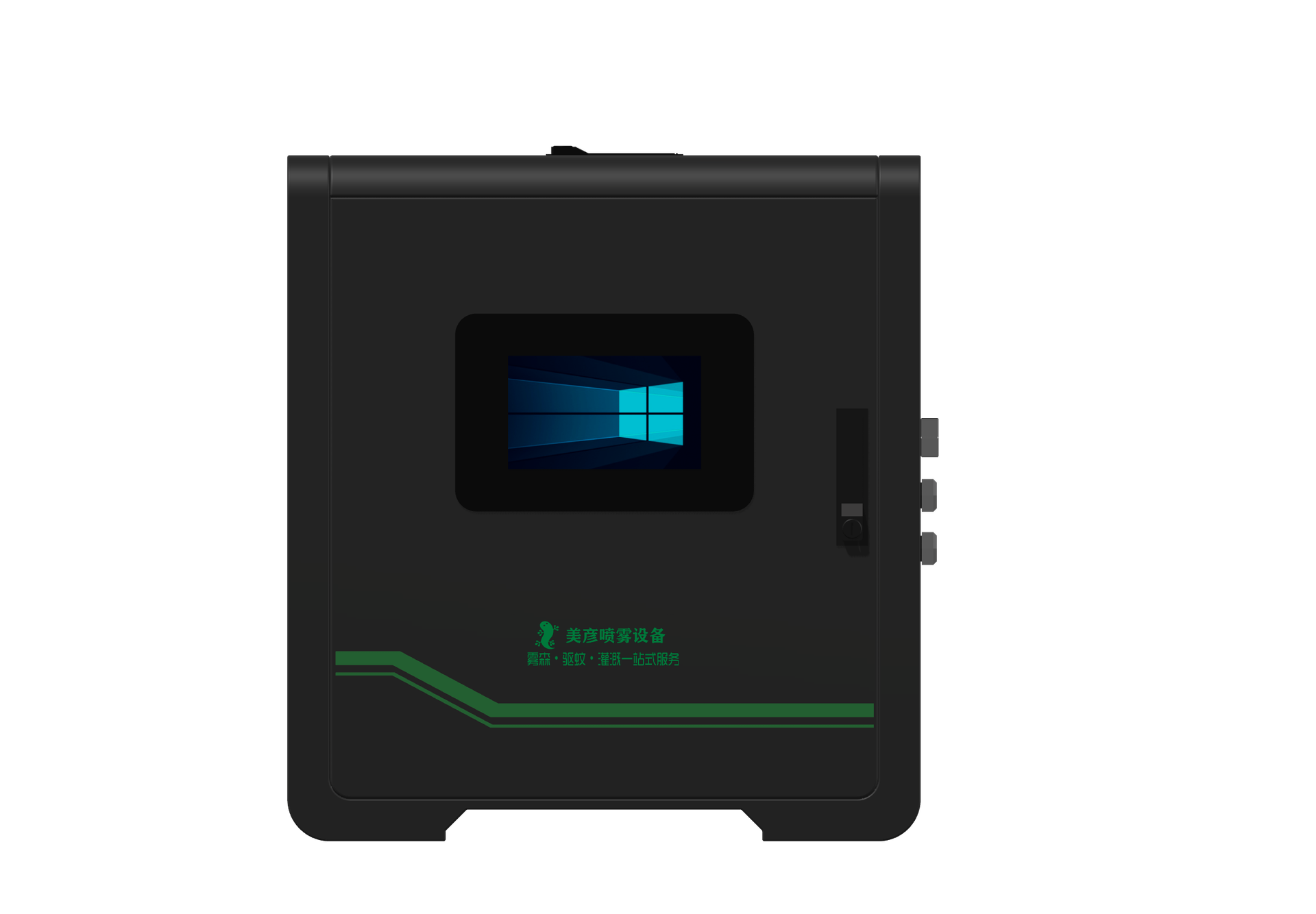
High-pressure cooling for restaurants, plazas and event venues
View details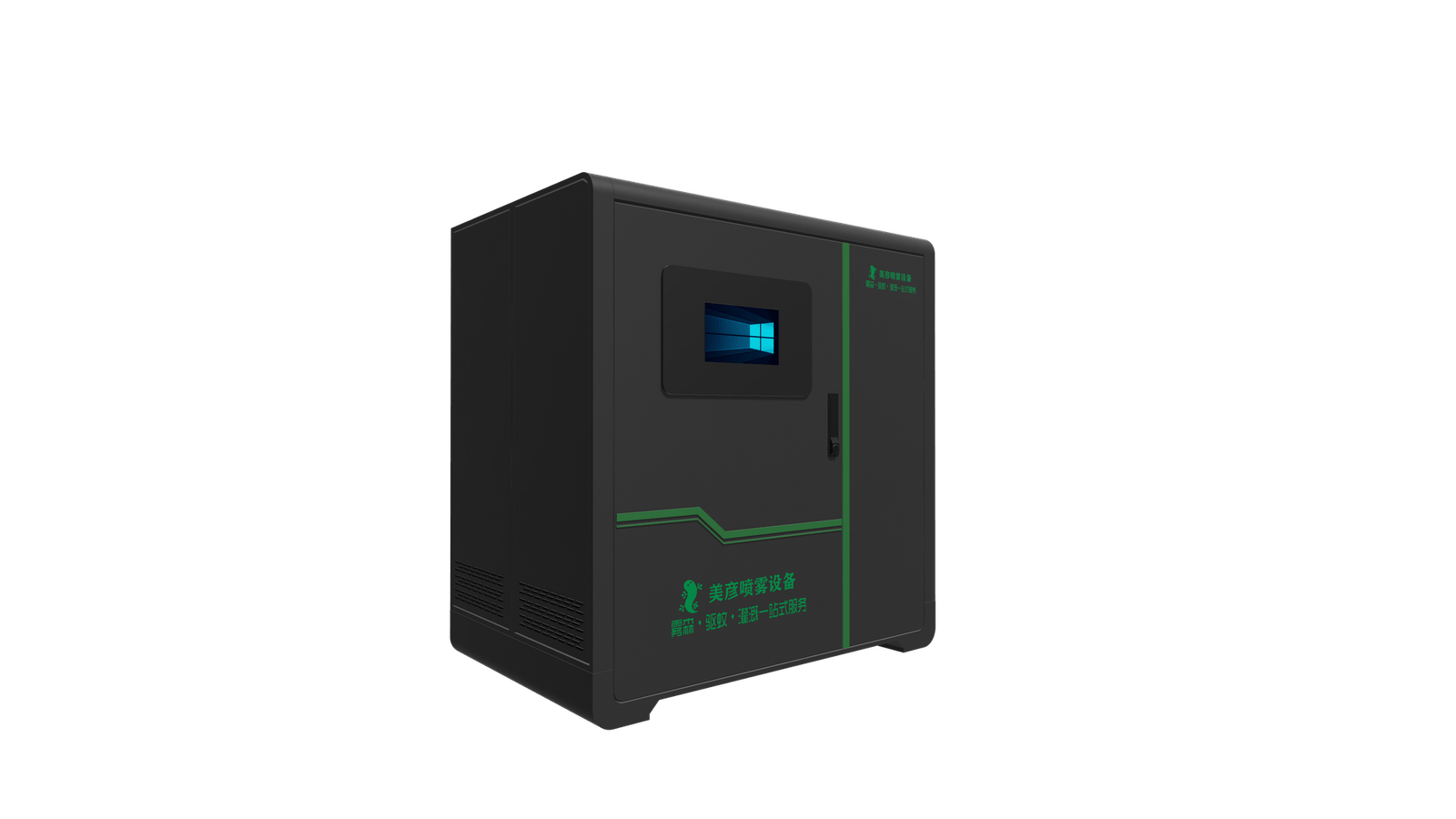
Stable 70–100 bar pump unit with multi-zone control
View detailsSend us the area, the application and your country. You will get a written quotation — pump unit, nozzle count, controls and spare parts listed separately.